 House Clearance Ruislip: Health and Safety Policy
Policy statement: This safety policy sets out the standards and procedures that govern our house clearance operations. As a rubbish company operating across a defined service area, our aim is to protect staff, contractors, clients and the public from harm while delivering professional clearance and waste removal services. The organisation recognises its legal and moral obligations to reduce workplace risk, to control exposure to hazards, and to ensure that every clearance, haulage or waste-handling task is planned and executed with safety as a primary consideration.
 Scope: This policy applies to all work activities associated with house clearance and domestic cleanouts. It includes removal of bulky items, clearance of rubbish and household waste, segregation for recycling, and the transportation of materials. The document addresses normal operations, site setup and vehicle use within our service area, with particular attention to tasks commonly undertaken by a local house clearance company.
Responsibilities and roles
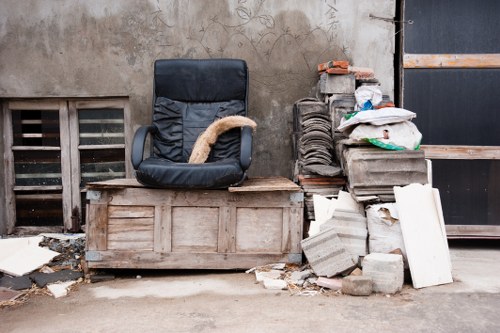 Management will ensure that safety policies are implemented and resourced. This includes provision of suitable equipment, PPE, training and supervision. Supervisors are required to assess each job prior to commencement, maintain safe systems of work and stop tasks that present immediate danger. Employees and contractors must follow instruction, use provided PPE and report hazards promptly. Everyone has a role in maintaining a safe working environment.
Risk assessments must be completed for each property clearance. Assessments consider structural condition, access routes, manual handling loads, presence of hazardous materials (e.g. asbestos, sharps, chemicals), and potential environmental impacts. Where high risk is identified, work will be adapted, postponed or carried out by suitably qualified specialists. A documented method statement will accompany complex jobs.
Training and competence: All operatives receive induction training covering manual handling, safe use of lifting aids, vehicle operation, traffic management and correct waste segregation. Refresher training is provided annually or when procedures change. Only competent, authorised personnel will operate mechanical lifting equipment or drive specialist vehicles.
Operational controls
Manual handling is a principal hazard in house clearances. Team lifts, trolleys, slide sheets and mechanical aids are used to minimise strain. Operatives are instructed to plan lifts, keep loads close to the body and avoid twisting. Safe stacking and secure loading of vehicles prevents shifting in transit. Vehicle checks before departure and appropriate load restraint are mandatory to protect road users and the crew.
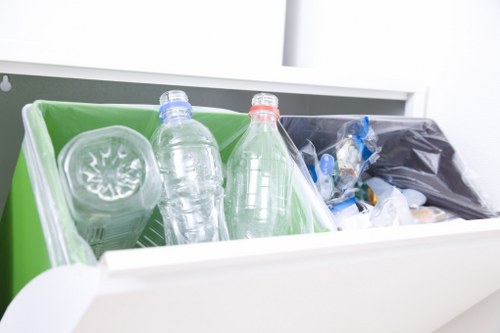
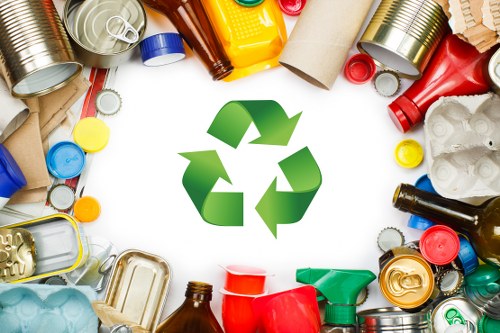
 Waste categorisation and disposal procedures: All items removed are assessed and segregated into recyclables, general waste, hazardous materials and donated items where appropriate. Hazardous or potentially hazardous items (for example, chemical containers, electricals with battery hazards, sharps) are handled in accordance with statutory requirements and transferred to licensed facilities. The policy endorses minimising landfill by maximising reuse and recycling where feasible.
Operational controls also include site cordons, signage and traffic management for clearances that affect public walkways or roads. Permit-to-work procedures will be used for confined spaces or where additional controls are required. Regular toolbox talks reinforce procedures and highlight seasonal or situational risks.
 Emergency procedures and incident reporting: Clear protocols are in place for first aid, spillage control, fire response and evacuation. All incidents, near misses and occupational illnesses must be reported and recorded. Investigations will identify root causes and corrective actions, and lessons learned will be shared promptly to prevent recurrence.
Monitoring, review and continual improvement: Health and safety performance is monitored through routine inspections, audits and review of incident statistics. Improvement plans are developed from findings and performance indicators. This policy is reviewed annually or sooner where significant changes to operations, legislation or service area practices occur.
Key controls and measures include:
- Pre-job risk assessment and method statements for complex clearances
- PPE provision including gloves, eye protection and high-visibility clothing
- Training in manual handling and safe operation of clearance equipment
- Safe vehicle loading and transport arrangements
- Hazardous waste procedures and licensed disposal routes
Compliance and legal duties: The organisation acknowledges applicable health and safety regulations and will maintain policies and records to demonstrate compliance. Contractors and sub-contractors will be required to meet these standards as a condition of engagement. Insurance and licensing positions are maintained to align with operational activities.
Communication: This policy is communicated to all staff and is available on request. Supervisors will brief new operatives and visiting contractors on site-specific hazards and procedures before work begins. Safe working practices will be reinforced during routine operations and via documented competency checks.
Commitment: The company is committed to providing a safe environment for its workforce and the public while delivering high-quality house clearance and rubbish removal services across its service area. Continuous improvement and adherence to these principles are essential to our operations and reputation. This policy will be enforced at all levels and forms part of our overall management system.