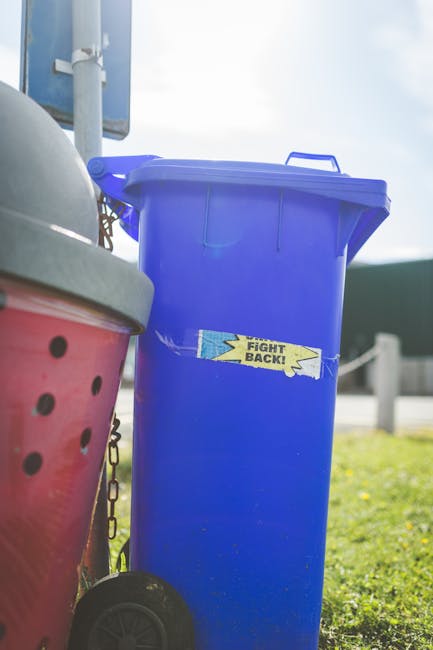
When Hillingdon Council bins are full rubbish removal options: a practical local guide
If you have ever stood beside a brimming wheelie bin and thought, right, now what?, you are not alone. When Hillingdon Council bins are full rubbish removal options become a very real problem, especially after a clear-out, a bit of decorating, or one of those weekends where the garage somehow turns into a small landfill. The good news is that you do have options. Some are quick, some are cheap, some are better for bulky waste, and some are simply less hassle. This guide walks through the sensible choices, the common pitfalls, and the best way to get rid of rubbish without making a mess of the whole thing.
We will look at how to decide between council collection, reusable-sorting, skip alternatives, and private rubbish removal. You will also see where services like waste removal fit in, when a more specific service may suit you better, and what to check before anything leaves your property. Let's keep it plain English, useful, and local.
Why When Hillingdon Council bins are full rubbish removal options Matters
When bins are overflowing, the issue is not just tidiness. It can become a storage problem, a smell problem, a neighbour problem, and, if waste is left out in the wrong way, a compliance problem too. In a dense London borough, rubbish that sits too long tends to announce itself. You hear the lids banging in the wind, see black bags stacked by the side access, and, before long, the whole place feels a bit stuck.
That is why having a plan matters. Full council bins usually mean one of three things: the household has generated more waste than usual, the waste type is not accepted in normal bins, or the collection schedule simply does not match the volume you need to clear. Whatever the reason, waiting and hoping it disappears is not a strategy. To be fair, everyone has been there at some point.
This topic matters most for residents, landlords, small businesses, and anyone dealing with bulky clear-outs in Hillingdon. A sensible removal option can save time, reduce lifting risk, and stop waste from building up around entrances, driveways, and communal areas. It also helps you separate ordinary household rubbish from items that need special handling, such as furniture, garden waste, builders' debris, or office waste.
Expert summary: If your council bins are full, the best option is usually not "find somewhere to dump it." It is to match the waste type with the right removal route, keep it safe, and clear it quickly enough that it does not become a second problem.
How When Hillingdon Council bins are full rubbish removal options Works
There is no single fix because full bins can mean different things in different homes. Some people just need a one-off uplift after a clear-out. Others need a more regular solution because the waste volume has outgrown the usual bin arrangement. The process is really about identifying the waste, then choosing the least painful route.
In broad terms, the options work like this:
- Sort the waste first. Separate general rubbish, recyclable materials, bulky items, and anything sharp or hazardous.
- Check what the council bin can and cannot take. Most councils are strict about what belongs in household bins, especially bulky or commercial waste.
- Decide whether you need extra capacity. That could mean a bulky waste pickup, a man-and-van collection, a specialist clearance, or a larger disposal plan.
- Choose the timing. If the waste is already overflowing, speed matters. If it is a planned clear-out, you have time to compare the cleaner, more efficient choices.
- Arrange collection and access. Easy access, clear parking space, and safe lifting routes make the job simpler and cheaper in practice.
Sometimes the best answer is a full property clearance rather than a bin solution. That is especially true after a move, a bereavement, or a renovation. In those cases, a structured service such as home clearance or, where the job is larger, house clearance may make more sense than trying to manage everything through council bins one bag at a time.
And honestly, a lot of people start with the bins, get halfway through the pile, and realise they are dealing with furniture legs, broken shelving, garden cuttings, and old packaging all in one go. At that point, the plan changes. That is normal.
Key Benefits and Practical Advantages
The main advantage of the right rubbish removal option is simple: it gets the mess out of your way without creating another mess in the process. But there are a few more benefits worth spelling out.
- Less disruption: You are not waiting around for several bin cycles just to get back to a normal driveway or kitchen.
- Safer handling: Heavy bags, broken items, and awkward waste can be lifted and moved properly rather than dragged or overstuffed into bins.
- Better presentation: This matters for landlords, tenants ending a lease, shops, offices, and anyone with shared access.
- Cleaner separation of waste: Recyclables, reusable items, and true rubbish can be dealt with in a more organised way.
- Less stress: There is a big psychological difference between a plan and a pile. You feel it as soon as it is under control.
There is also a practical money point. If you choose the wrong route and waste time moving rubbish twice, you often end up paying in labour, missed collection windows, or extra trips. Not ideal. A well-matched removal option usually costs less in the round, even if the upfront decision seems a bit bigger.
For mixed household clutter, services like furniture clearance and furniture disposal can be helpful where the bin issue is really about bulky items rather than ordinary bagged rubbish. For garden-heavy waste, garden clearance is often a cleaner fit than stuffing green waste into overfilled bins.
Who This Is For and When It Makes Sense
This is not just for one type of property. Full bins affect people in very different situations, and the right solution changes with the setting.
- Homeowners: Perfect for spring clears, loft sorting, and after replacing furniture or appliances.
- Tenants and flat sharers: Useful when communal bins fill faster than expected and you need a clean exit before moving out.
- Landlords and letting agents: Ideal after tenant turnover, where leftover waste is mixed and time-sensitive.
- Businesses: Offices, shops, and small premises often need a more regular or reliable route than domestic bins can offer.
- Builders and renovators: Packaging, rubble, old fixtures, and scrap materials quickly overwhelm normal bins.
If your waste is linked to a project, the relevant clearance page usually helps more than a general bin fix. For example, builders waste clearance is more appropriate for renovation debris, while office clearance fits desks, paper waste, screens, and old fittings in a workplace setting. For business premises, business waste removal is the obvious practical step if regular bins are not enough anymore.
When does it make sense to act? Usually when waste is starting to leave the bin area and spill into walkways, or when you can see that the next collection is not going to solve the volume problem. If you have to start balancing bags on top of closed lids, the bin has already lost the argument.
Step-by-Step Guidance
Here is a simple way to approach it without overthinking the whole thing.
- Identify the waste type. Is it general rubbish, cardboard, old furniture, garden cuttings, builders' materials, or a mix?
- Remove anything reusable or recyclable. This makes collection easier and can reduce the amount you need taken away.
- Check for restricted items. Some things need special handling, and they should not be mixed into ordinary household rubbish.
- Estimate the volume. A few bags is very different from a room full of clutter. Be realistic.
- Choose the right service level. Small one-off waste, bulky items, or full clear-outs all need different approaches.
- Prepare access. Move cars, unlock gates, and make sure the waste can be collected without unnecessary delays.
- Book and confirm details. Clarity on what is being removed is the difference between a smooth day and a frustrating one.
- Get the area swept or tidied afterwards. It sounds small, but it helps a lot, especially in shared or visible spaces.
If you are dealing with a large amount of mixed household clutter, a structured service such as flat clearance can be a better match for flats and maisonettes, while loft clearance is more suitable where the waste has accumulated out of sight and become a proper job rather than a quick tidy.
One practical tip: do not wait until the bags are leaking. Wet waste gets heavier, smells worse, and becomes less pleasant for everyone involved. Small delay, big difference. Funny how that works.
Expert Tips for Better Results
In our experience, the smoothest rubbish removals happen when people think a little bit ahead. Nothing dramatic, just enough planning to avoid the predictable snags.
- Break bulky waste down where safe: Flat-pack furniture, cardboard, and lightweight fittings are often easier to move when dismantled.
- Keep heavy and sharp items separate: This protects people handling the waste and makes loading quicker.
- Label mixed piles: Even a simple "keep" and "remove" split makes a big difference during a clear-out.
- Take photos before collection: Useful if you want to confirm the volume or explain access issues.
- Think about the route out: Tight stairs, narrow side access, or shared hallways can slow everything down.
- Use the right service for the job: A garden job, a garage job, and an office job are not the same, even if they all start with a full bin.
For example, if the overflowing waste came from a weekend in the garden, you may be better served by garage clearance if the pile also includes old tools, pots, and storage clutter, or by garden clearance if the bulk is green waste and broken outdoor items. A little categorising up front saves a surprising amount of faff later.
Another tip: do not treat rubbish removal as an excuse to hide unrelated waste in the pile. It sounds obvious, but people do it. Then everyone has to slow down and sort through it, which is nobody's idea of a good time.
Common Mistakes to Avoid
Most problems around full council bins are avoidable. The tricky part is that the mistakes seem small until they are not.
- Overfilling bins forcefully: If lids do not close, collections can be refused or the area can become untidy very quickly.
- Mixing unsuitable materials: Builders' waste, food waste, and household rubbish are not interchangeable.
- Leaving waste loose beside the bin: This can attract complaints, pests, or weather damage.
- Ignoring access issues: A collection crew cannot always work around a parked car or locked gate.
- Choosing the wrong clearance type: A general rubbish job may not be the best match for furniture, office equipment, or renovation debris.
- Assuming everything can wait: Full bins left for days tend to become a larger problem, not a smaller one.
Another common mistake is forgetting the compliance side. If you are disposing of items from a business, or waste that is not typical domestic rubbish, the standard changes. That does not mean you need to panic. It just means you should be careful, and not guess.
Tools, Resources and Recommendations
You do not need much in the way of special equipment, but the right basics make the process smoother.
- Heavy-duty sacks: Better than thin bags that split halfway down the path.
- Gloves: Useful for mixed waste, splinters, or sharp edges.
- Tape and labels: Handy when you need to mark what stays and what goes.
- Basic measuring estimate: Even rough volume awareness helps you choose the right service.
- Phone photos: Good for quotes, access checks, and avoiding confusion.
- Clear walkway: Not glamorous, but incredibly useful.
If you want a simple starting point, pricing and quotes can help you understand how a proper removal job is usually assessed, while recycling and sustainability is worth reading if you want to keep the process more responsible. People often assume rubbish removal is just dumping and driving away. It really should be better than that.
For customers who want to know who is actually handling their items, about us is a sensible place to learn more before making a decision. And if you are ready to talk through an awkward or urgent job, contact us is there when you need a direct conversation.
Law, Compliance, Standards, or Best Practice
When waste is being removed, the main thing is to make sure it is handled responsibly and in line with UK expectations for safe waste management. You do not need to memorise legislation to make a good decision, but you do need to stay on the right side of a few basics.
Best practice usually means:
- keeping rubbish on your own property until collection is arranged;
- avoiding fly-tipping or leaving waste where it may obstruct pavements or shared access;
- separating recyclable or reusable items where practical;
- being careful with items that may be hazardous, sharp, or heavy;
- using a provider that can explain how waste will be handled;
- making sure collections are proportionate to the type of waste involved.
For domestic households, that usually means common sense and tidiness. For businesses, the bar is higher because business waste is not the same as a weekend bin clear-out. Office furniture, electrical items, construction debris, and stock waste should all be handled with a bit more care and a bit less guesswork. If you are not sure which category your waste falls into, that is the moment to slow down rather than push ahead.
It is also wise to think about safety. Lifting injuries, broken glass, damp cardboard, and blocked exits are all avoidable problems. Services with a visible approach to health and safety policy and insurance and safety can offer extra reassurance, particularly for larger clearances or tighter access points. That reassurance matters more than people realise.
For customers who like to understand the small print before booking, terms and conditions, privacy policy, and payment and security are sensible pages to review. It is not thrilling reading, admittedly, but it does help.
Options, Methods, or Comparison Table
Different waste situations call for different solutions. Here is a straightforward comparison to help you decide.
| Option | Best for | Pros | Limitations |
|---|---|---|---|
| Council bin wait-and-see | Small overflow, non-urgent waste | No extra arrangement if the next collection is soon | Slow if the volume is already too high |
| Sort and reduce waste | Mixed household clutter | Can lower the amount needing removal | Takes time and only solves part of the problem |
| Bulky item clearance | Furniture, appliances, large one-off items | Efficient for awkward waste | Not ideal for tiny amounts of general rubbish |
| General waste removal | Mixed rubbish where the bins are full | Flexible and practical for most household overflow | Needs good access and clear instructions |
| Specialist clearance | Builders' debris, garages, lofts, offices | Matched to the job, often more efficient overall | Requires better planning and clearer scope |
If you are dealing with a single category of waste, use the closest match. For example, an office fill-up may point you toward office clearance, while a cluttered storage space may be better handled with loft clearance. The more specific the problem, the more specific the fix should be.
Case Study or Real-World Example
A typical example: a small terraced property in Hillingdon has two full household bins after a renovation weekend. There are paint tins that need checking, cardboard from flat-pack furniture, some broken shelving, and a few black sacks of general waste. The first instinct is to keep pressing everything into the bins over the next week. But the route is narrow, the bin store is already crowded, and the bags are starting to sit in the way.
Instead, the household sorts the waste into three groups. Cardboard goes separately. The old shelves and furniture pieces are set aside for a dedicated collection. General waste is packed into manageable sacks. A collection is arranged for the mixed load, and the access path is cleared before the team arrives. The result is straightforward: the bin area is usable again, the property looks tidy, and the family does not spend two more weeks trying to force the issue.
That is the kind of outcome most people want. Not a grand transformation. Just order, quickly. Sometimes the emotional win is bigger than the practical one. You walk outside in the morning, see the space clear, and think, thank goodness, that is over.
Practical Checklist
Use this before you book anything or try to squeeze one more bag into the bin.
- Have you identified what type of waste you actually have?
- Are any items reusable, recyclable, or too hazardous for normal bins?
- Is the volume small enough to wait for the next collection, or does it need removal now?
- Do you know whether the job is general rubbish, bulky waste, garden waste, or a specialist clear-out?
- Is there clear access for removal?
- Have you removed anything you want to keep?
- Do you have a rough idea of the size of the pile?
- Are you prepared to explain the waste clearly if you request a quote?
- Have you checked any safety concerns, such as sharp edges or heavy objects?
- Would a more specific service like house, home, flat, or office clearance be a better fit?
If the answer to several of those is "yes", you are probably ready to move from planning to action. And that is usually the point where the stress drops quite a bit.
Get a free quote today and see how much you can save.
Conclusion
When Hillingdon Council bins are full rubbish removal options are less about panic and more about making a sensible choice before waste becomes a nuisance. If the rubbish is small and non-urgent, sorting and waiting may be enough. If the pile is bulky, mixed, awkward, or just too much for normal bins, a proper removal service is usually the cleaner route.
The best approach is the one that matches the waste, protects the property, and keeps life moving. That might mean a general waste removal solution, or it might mean something more specific such as house, garden, loft, garage, flat, or office clearance. Either way, the goal is the same: clear the space, do it safely, and avoid turning a small overflow into a larger headache.
Truth be told, most people do not need a complicated answer. They need the rubbish gone, the space back, and a bit of peace and quiet afterwards. Fair enough, really.
Frequently Asked Questions
What should I do first when Hillingdon Council bins are full?
Start by sorting the waste into clear groups: general rubbish, recyclables, bulky items, and anything that may need special handling. That first step usually makes the rest much easier.
Can I leave bags beside a full bin until the next collection?
Only if they are stored safely, do not block access, and do not create a nuisance. As a rule, leaving waste beside bins for long periods is not a great plan and can lead to complaints or mess.
Is a general rubbish removal service better than waiting for the council?
If the overflow is small and the next collection is soon, waiting may be fine. If the waste is already building up, a general removal service is usually faster and more practical.
What kind of waste usually needs a separate clearance service?
Bulky furniture, garden waste, loft clutter, garage contents, office waste, and builders' debris often fit better with a more specific clearance service than with ordinary bin disposal.
How do I know whether I need furniture clearance or waste removal?
If the main problem is old sofas, wardrobes, tables, or similar items, furniture clearance or furniture disposal is likely the better fit. If the load is mixed rubbish, general waste removal is usually more suitable.
Is it cheaper to do the removal myself?
Sometimes, yes, if the volume is tiny and access is easy. But once you factor in time, multiple trips, fuel, lifting, and disposal hassle, a proper collection can work out better overall.
What if I have rubbish from a renovation or DIY job?
Builders' waste should be treated differently from normal household rubbish. Builders waste clearance is usually the more sensible route for that kind of material.
Can businesses use domestic bins for extra waste?
Not usually as a long-term answer. Businesses often need a dedicated waste arrangement because business waste is handled differently from normal household rubbish. Business waste removal is often the better option.
What if the full bins are in a flat or shared building?
Flats and shared buildings can become messy fast because bin capacity is shared. In that case, flat clearance may be a better route if the waste belongs to a specific property or move-out situation.
How quickly can rubbish be removed if bins are already overflowing?
That depends on access, waste type, and availability, but in urgent cases it is often quicker to arrange a one-off collection than to wait for the next council cycle. Speed is one of the main reasons people choose private removal.
Do I need to worry about compliance or safety?
Yes, at least a little. Waste should be handled safely, not dumped casually, and hazardous or sharp items need extra care. If in doubt, it is smarter to ask before booking rather than after the bags are already tied up.
Where can I find more information before booking?
Helpful pages include pricing and quotes, recycling and sustainability, and about us if you want to understand the service approach before making a decision.