The Ultimate Guide to Kid-Friendly Recycling Education
Recycling education for kids is key to building a sustainable future! Instilling green habits early on doesn't just help the environment; it also shapes responsible, resourceful adults. If you're a parent, teacher, or community leader searching for ways to make recycling fun and effective for children, this ultimate guide to kid-friendly recycling education has all the tips, ideas, and strategies you'll need.
Why Teach Kids About Recycling?
Kids are naturally curious and ready to learn. Teaching them about environmentally-conscious choices empowers them to be planet champions. Here's why starting young matters:
- Long-lasting habits: Kids who recycle grow up to be adults who recycle.
- Environmental impact: Every recycled item helps reduce waste and conserve resources.
- Educational enrichment: Kids gain knowledge about science, nature, and conservation.
- Family & Community: Children often inspire entire households or classrooms to get involved in recycling efforts.
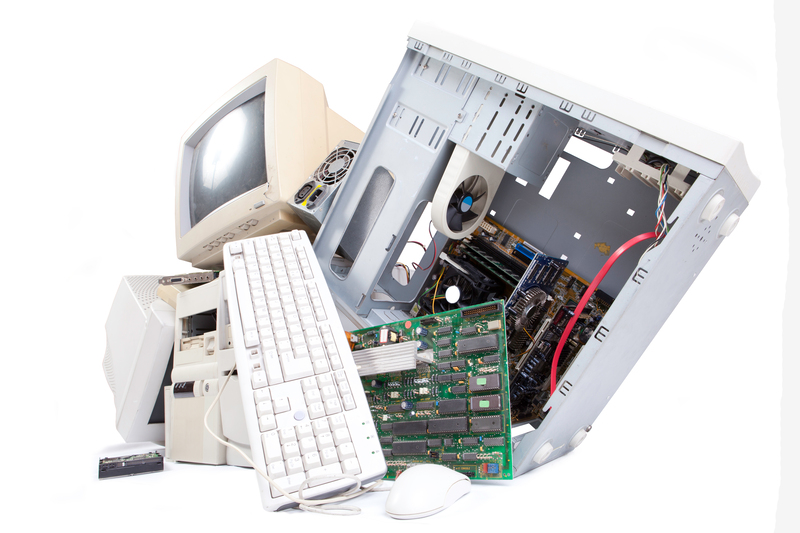
Understanding the Basics: What is Recycling?
Recycling is the process of turning old or used materials into something new. The goal is to reduce waste, save energy, and protect the environment. Kid-friendly recycling education should start with simple explanations and real-life examples:
- Paper: Newspapers, notebooks, and boxes can be recycled into new paper products.
- Plastic: Bottles and containers become new plastic items.
- Glass: Old jars and bottles get remelted into new glassware.
- Metal: Soda cans and tins are smelted down and reused.
Not everything can be recycled, so helping kids recognize what goes in each bin is a valuable early lesson!
Kid-Friendly Recycling Activities
Hands-on recycling activities for children are the best way to make the lessons stick. Here are some creative ideas:
1. At-Home Sorting Challenge
- Set up color-coded bins for paper, plastic, metal, and glass.
- Have your children help sort household waste after snacks or meals.
- Reward them with stickers or a point chart for accurate sorting.
2. DIY Recycled Crafts
- Turn milk jugs into bird feeders.
- Create art out of bottle caps, paper scraps, or egg cartons.
- Make a musical shaker from an empty can and dried beans.
Tip: Art projects encourage creativity and reinforce that recycling doesn't have to be boring!
3. Recycling Relay Races
- Host a race where kids have to sort "trash" into the correct bins as fast as possible.
- This can be a fun outdoor or indoor activity for classrooms, parties, or scout groups!
4. Story Time and Reading
- Choose books about recycling for a bedtime story or classroom read-aloud.
- Discuss the characters' actions and how they help the environment.
Recycling Education in the Classroom
Schools play a central role in teaching recycling to students. A well-structured recycling education program can be included in science, geography, or social studies lessons. Here's how to bring recycling into the classroom:
Create a Classroom Recycling Station
- Set up separate labeled bins for different recyclable materials.
- Rotate responsibility for "recycling manager" to involve all students.
Host a Recycling Awareness Week
- Dedicate one week to recycling education, with themed posters, contests, and challenges.
- Invite guest speakers from local recycling facilities.
Interactive Games and Quizzes
- Create a quiz about which materials are recyclable.
- Play digital games or use apps that teach recycling concepts in an engaging way.
Make it fun! The more interactive and visually engaging the lessons are, the more likely kids will remember the importance of recycling.
Engaging With the Community
Extending recycling education beyond home and school shows kids how their actions connect to the larger world. Community-driven recycling projects can be inspiring and deeply educational.
Local Recycling Facility Tours
- Organize a field trip to a recycling center or landfill to see recycling in action.
- Let kids ask questions and see first-hand the impact of recycling versus throwing things away.
Neighborhood Clean-Up Events
- Join or host a local litter pick-up and recycling event.
- Make it a social activity--kids can see the difference they make in their own neighborhoods.
Recycling Drives and Fundraisers
- Host a drive for collecting bottles, cans, paper, or electronics.
- Let kids help sort, count, and prepare items for recycling. Use proceeds or awareness raised for a class or community project.
Top Tips for Effective Kid-Friendly Recycling Education
- Start small: Teach about one material at a time (e.g., just paper first).
- Use visuals: Color-coding, drawings, and labels help reinforce learning for visual learners.
- Keep it positive: Celebrate successes! Encouragement goes a long way toward building lifelong green habits.
- Be consistent: Make recycling a regular routine at home or school so it becomes second nature.
- Answer questions: Encourage curiosity and dig into tough questions like "Why can't we recycle pizza boxes?" or "Where does our trash go?"
Fun Facts to Spark Kids' Interest
- Did you know? Recycling just one aluminum can saves enough energy to run a TV for three hours!
- Every ton of paper recycled saves 17 trees and 7,000 gallons of water.
- Plastic can take up to 1,000 years to decompose in landfills.
- Glass can be recycled endlessly without losing quality or purity.
Sharing fun trivia and stats like these can make recycling concepts more memorable and exciting for children.
Common Recycling Myths and How to Debunk Them
Kids may encounter confusing messages about recycling. Use these teachable moments to provide honest, age-appropriate information:
- Myth: "All plastics can be recycled."
Fact: Not every type of plastic is recyclable in every community. Check local guidelines together! - Myth: "If it has a recycling symbol, it's recyclable!"
Fact: The triangle symbol means the item is made from recyclable material, but local capabilities vary. - Myth: "Recycling is pointless -- everything ends up in the landfill."
Fact: Recycling really does save energy and resources when done correctly.
Kid-Friendly Recycling Education Resources
There is a world of recycling education resources for children out there. Check out these ideas:
- Books: "The Adventures of a Plastic Bottle," "Michael Recycle," "One Plastic Bag."
- Websites and Games: Try online games such as Recycle City (EPA), National Geographic Kids quizzes, or Earth Rangers activities.
- Videos: Look for animated recycling documentaries on YouTube or streaming channels.
How to Overcome Challenges in Recycling Education for Kids
Sometimes, talking to kids about recycling can be tricky. Here are common challenges and effective strategies for overcoming them:
- Boredom: Keep lessons lively with games, songs, and hands-on experiments!
- Confusion: Make a simple, colorful chart of what goes in each bin and post it in a visible place.
- Lack of motivation: Offer small rewards, praise, or even "recycling certificates" to recognize consistency.
- Limited space: Use stackable bins or designate a small recycling caddy in the kitchen or classroom.
Getting Families Involved in Recycling Education
Families are a child's first teachers. For effective kid-friendly recycling education, get everyone involved by:
- Assigning roles: Make each family member responsible for one aspect of recycling, such as rinsing containers or bringing bins curbside.
- Recycling "field trips": Bring kids along on visits to drop-off centers or community recycling events.
- Cooking with leftovers: Teach about reducing food waste alongside recycling lessons.
- Celebrating milestones: Keep track of how much your family recycles each month and celebrate progress together.
Innovative and Advanced Kid-Friendly Recycling Projects
If your child is ready for more, try these advanced recycling education projects:
- Upcycle old clothing into reusable bags or cleaning rags.
- Start a compost bin to recycle food scraps into garden soil.
- Organize a mini science fair where kids demonstrate how different materials break down in soil.
The Role of Technology in Recycling Education for Kids
Modern technology opens new doors for interactive recycling education for children:
- Apps/Video Games: There are countless mobile apps designed to teach recycling with quizzes and mini-games.
- Virtual tours: Some recycling facilities offer online video tours for classrooms and families.
- Online communities: Join eco-friendly clubs or forums designed for young learners.

Frequently Asked Questions About Teaching Kids to Recycle
- At what age should I start teaching my child about recycling?
Preschoolers as young as 2-3 years old can begin learning to sort simple recyclables! - What if my community doesn't recycle certain materials?
Focus on what you can recycle locally and teach about creative reuses for other items. - How can I explain recycling contamination to a child?
Use a simple example, like mixing crayons with markers--if they're not sorted properly, they can't be reused!
Conclusion: Raising Tomorrow's Planet Protectors
Whether you're a parent, educator, or environmental advocate, your efforts in kid-friendly recycling education truly make a difference. By teaching children to recycle, you're helping to shape a world that values sustainability, resourcefulness, and environmental stewardship. Remember, every eco-conscious young person is a ripple in a wave of positive change. Let's inspire and empower our kids to be recycling heroes--today and every day!