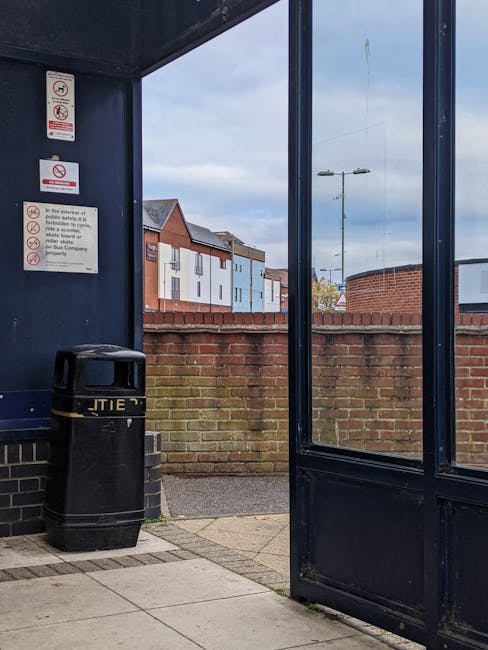
South Ruislip station urgent rubbish removal options: fast, practical help when waste needs clearing now
If you're dealing with a sudden pile-up of rubbish near South Ruislip station, the pressure can build quickly. Maybe it's after a shop refit, a flat clear-out, a broken appliance drop-off, or that awkward moment when waste has been left where it absolutely shouldn't be. Whatever the cause, South Ruislip station urgent rubbish removal options are really about one thing: getting the area safe, tidy, and manageable again without adding more stress to your day.
Truth be told, urgent waste problems rarely arrive at a convenient time. They show up when access is tight, time is short, and you just want someone to sort it properly. This guide walks through the fastest ways to deal with rubbish near South Ruislip station, what to look for in a reliable service, how the process usually works, and the practical checks that can save you money, time, and a headache later on.
We'll also cover the decisions people often miss in a rush: whether you need a same-day clearance, a man-and-van collection, a bulky item uplift, or a more structured waste removal service. And yes, there's a difference. A big one, sometimes.
Table of Contents
- Why South Ruislip station urgent rubbish removal options matters
- How South Ruislip station urgent rubbish removal options works
- Key benefits and practical advantages
- Who this is for and when it makes sense
- Step-by-step guidance
- Expert tips for better results
- Common mistakes to avoid
- Tools, resources and recommendations
- Law, compliance, standards, or best practice
- Options, methods, or comparison table
- Case study or real-world example
- Practical checklist
- Conclusion
- Frequently asked questions
Why South Ruislip station urgent rubbish removal options matters
South Ruislip station sits in a busy part of west London, where residential streets, businesses, and transport traffic all overlap. That matters because rubbish left outside for too long can become more than an eyesore. It can block access, create complaints, attract pests, and make a site look neglected fast. If you've ever walked past a loose pile of cardboard, a ripped bin bag, or old furniture on a wet pavement, you'll know the feeling. It goes from "a bit messy" to "this needs sorting" very quickly.
Urgent rubbish removal is especially useful where timing matters. Think of it like this: if the waste is already causing a problem, waiting until next week often makes the problem bigger, not smaller. Rain can soak mixed waste, food scraps can smell, and bulky items can become harder to handle. In a station area, there's also the simple issue of footfall. More people passing by means more visibility, more pressure, and more urgency.
There's another angle too. For businesses and landlords, a clean exterior affects how people feel the moment they arrive. First impressions count. If a customer steps out near a station and sees overspill waste or fly-tipped material, they notice. So do neighbours. So do inspectors, if the issue escalates.
For anyone comparing waste removal services in a hurry, the main job is not just finding the cheapest option. It's finding a service that can turn up on time, remove the right material safely, and leave the space genuinely clear.
How South Ruislip station urgent rubbish removal options works
Most urgent rubbish removal around South Ruislip station follows a fairly simple pattern, though the details change depending on the type of waste and how quickly you need it gone. The process usually starts with a quick assessment: what needs removing, how much there is, whether there are stairs or limited access, and whether any of it is hazardous or awkward to lift.
From there, a provider typically offers one of a few response styles:
- Same-day collection for time-sensitive clearances.
- Next-day or scheduled urgent pickup when same-day is not essential but still needs to happen quickly.
- Man-and-van clearance for mixed loads, small clearances, or awkward access points.
- Bulky waste uplift for sofas, mattresses, white goods, or heavy items.
- Full-site clearance for more substantial piles, often where a room, yard, or storage area needs resetting entirely.
If you're close to the station, access can be the deciding factor. A narrow road, controlled parking, or busy pedestrian flow can change how a job is handled. The best services plan around that. They won't just say "we'll be there shortly" and hope for the best. They'll ask the right questions first.
In a practical sense, the job usually works like this:
- You describe the rubbish and share a few photos if possible.
- The provider estimates the load size and access requirements.
- A collection window is agreed, often with a same-day or rapid response if available.
- The team arrives, loads the waste, and checks the area is left tidy.
- The waste is taken away for sorting, reuse, recycling, or disposal according to the type of material.
That last step matters. A rushed job should still be a proper job. No one wants waste "removed" only to learn later it was dumped somewhere unsuitable. Not a good look. Not worth the risk.
Key benefits and practical advantages
The obvious benefit is speed, but there's more to urgent waste removal than just getting a van out quickly. Done properly, it can reduce disruption, avoid complaints, and make a space workable again before the issue snowballs.
1. It restores order fast. When rubbish piles up, it starts taking over mentally as well as physically. Getting it cleared can make a room, yard, or frontage feel usable again within hours.
2. It reduces health and safety risks. Loose bags, broken items, and mixed waste can cause trips, sharps risks, and unpleasant odours. In damp weather, it gets worse. Much worse, sometimes.
3. It helps businesses stay presentable. Around a station area, people notice everything. A clean external area suggests control and care. That matters for shops, offices, landlords, and hospitality sites.
4. It can prevent minor issues from turning into bigger ones. One missed collection or one pile of building waste can become a recurring fly-tip magnet if it's left too long.
5. It saves you from doing awkward lifting yourself. Let's face it, not every sofa, fridge, or bag of mixed waste is easy to move safely on your own, especially if the lift is awkward or time is tight.
For many readers, the real value is peace of mind. Knowing the rubbish is gone, the site is tidy, and the job has been handled by people who know what they're doing? That's worth a lot when your day is already busy.
If your job involves a broader property refresh, you may also find it useful to look at house clearance support or, for more time-sensitive domestic help, the page on same-day rubbish removal.
Who this is for and when it makes sense
Urgent rubbish removal near South Ruislip station can make sense for a wide range of people. It is not just for big clear-outs. In fact, the smaller emergencies can be the most annoying.
- Homeowners and tenants dealing with a sudden clear-out, end-of-tenancy pressure, or a broken appliance.
- Landlords and letting agents who need a property cleared quickly between occupancies.
- Shop owners and cafes who need packaging, stock waste, or old fixtures removed promptly.
- Office managers dealing with clutter, old desks, archive waste, or refurbishment rubbish.
- Tradespeople who need post-job waste removed fast so the site can be handed over properly.
- Builders and renovators with leftover rubble, timber, plasterboard, or mixed construction waste.
It makes sense when the waste is blocking access, creating a bad impression, or causing pressure from neighbours, customers, or the clock. If you're debating whether it is "urgent enough," a helpful rule is this: if leaving it in place makes the problem worse by tomorrow, it probably qualifies.
Sometimes it is not dramatic at all. A broken wardrobe leaning in a hallway. A stack of wet cardboard in a back yard. A few bags of rubbish that should have gone out yesterday but didn't. Small things, sure. But they still niggle. And they tend to grow legs.
Step-by-step guidance
If you need fast rubbish removal and want to keep the process calm, this is the simplest way to approach it.
1. Identify exactly what needs removing
Start with the basics. Is it general household rubbish, mixed bulky waste, garden waste, office clutter, or trade debris? If you can separate the material into rough groups, it helps speed things up. Photos are even better. A clear picture of the pile can save a lot of back-and-forth.
2. Check access before you book
Near a station, access matters more than people expect. Is there room for a van to stop? Are there stairs? Is the waste upstairs, in a basement, at the back of a property, or behind a locked gate? These details affect the timing and price far more than most people realise.
3. Decide how fast you actually need it gone
"Urgent" can mean same-day, but not always. If the waste is just unsightly, next-day may be enough. If it's blocking a customer entrance, creating a hazard, or part of a handover, same-day may be the better choice. Be honest with yourself here. No drama, just clarity.
4. Ask what type of clearance is best
A man-and-van option is often flexible for mixed loads and awkward access. A more structured clearance may suit larger jobs. If the waste includes electrical items or sharp materials, say so early. That changes how it must be handled.
5. Confirm what happens after collection
Good providers should be able to explain how waste is sorted and managed. You don't need a lecture. Just enough to know the material won't be dealt with carelessly. If you are unsure about a provider, ask direct questions. A solid company won't mind.
6. Make the area ready before the team arrives
Move smaller items out of the way, clear access paths, and keep pets or children away from the loading area. If there's a parking restriction or building entry note, mention it in advance. The smoother the handover, the faster the clearance. Simple, really.
For recurring waste pressure, you may also want to review commercial waste solutions so you are not relying on emergency collections every time the bins overflow.
Expert tips for better results
Here's where a little planning pays off. Urgent waste removal is all about reducing friction. The more clearly you brief the provider, the smoother the collection.
- Send photos from a few angles. One picture is fine for a start, but two or three often give a much better sense of size and access.
- Be specific about heavy items. Fridges, freezers, pianos, large wardrobes, and builders' debris all change the handling plan.
- Tell them about stairs, lifts, and parking limits. Those details can save a lot of wasted time on the day.
- Ask what is and isn't included. Some clearances include labour, loading, and disposal; others may separate out certain item types.
- Check whether you need help with loading only or full removal. If waste is already on the kerb, the job may be simpler than if it is spread across a property.
- Keep hazardous items apart. Paints, solvents, batteries, needles, and certain electricals need special handling.
A small but useful tip: if your rubbish is spread across multiple rooms or areas, group it by type before the team arrives. That often helps a collection move quicker, especially in older properties where stairs are narrow and the corridor turns are a bit awkward. London houses have character. Sometimes too much character.
If you want a broader overview of how teams handle different load sizes and property types, the page on mattress disposal is a useful example of a specialist collection that often comes up in urgent clearances.
Common mistakes to avoid
Urgency can make people skip the boring bits. That's normal. But the boring bits are where problems often hide.
- Leaving the booking until the last minute. If you already know the waste needs moving, book as soon as you can. Last-minute panic tends to limit your options.
- Underestimating the volume. A pile that looks "small enough" can turn out to be three times bigger once you start lifting it.
- Not mentioning restricted access. A service can only plan for what it knows. If a van cannot stop nearby, say so early.
- Mixing ordinary waste with hazardous items. This can slow the job down and may create compliance issues.
- Assuming all providers handle every item type. Some can remove almost anything; others specialise. Ask first.
- Choosing only by price. Cheapest is not always the best value if the team is late, unprepared, or unclear about disposal.
One common slip-up is forgetting that urgent removal still needs room to work. If you block the pile with bins, bikes, or furniture, the team ends up spending time just getting to the waste. That slows everything. A little prep goes a long way.
And yes, it sounds obvious. But obvious things are often the ones people miss when they're in a rush.
Tools, resources and recommendations
You do not need much to organise a quick clearance, but a few simple tools and references make the process easier and safer.
- Phone camera: Use it to photograph the waste, access points, and any item you think might need special handling.
- Measuring tape: Helpful for bulky items like wardrobes, sofas, or appliances.
- Basic gloves: Useful if you are sorting lighter materials before the collection.
- Sticky notes or a marker: Handy for separating items that must not be moved or that belong to a specific room.
- Simple room or load list: A quick written list keeps conversations with the provider clear.
For readers comparing services in the local cluster, these internal guides may help you plan the wider job more effectively: office clearance for workplace waste, garden waste removal for outdoor clear-ups, and builders waste removal when the mess is tied to a project or refurb.
If the waste includes mixed household clutter, a more general rubbish clearance page can also help you compare the right type of service before you book. It is often the quickest route when you just want the lot gone and don't need to overthink it.
Law, compliance, standards, or best practice
Waste removal in the UK should be handled carefully and by people who understand what they are taking away. You do not need to become a legal expert to book a service, but you should know the basic expectations.
In plain English: anyone collecting waste should handle it responsibly, transport it properly, and dispose of it through legitimate channels. If someone offers to "take it away cheap" and cannot explain where it goes, that is a red flag. Not always a disaster, but definitely a warning sign.
For businesses, landlords, and trades, there is also a stronger duty of care in practice. That means keeping records where needed, using a properly run collection service, and making sure waste is not just passed on casually. If you are responsible for a property near South Ruislip station, especially a commercial one, it is worth being a bit stricter here.
Special items may need extra caution:
- Electricals such as fridges, microwaves, and monitors can require specific handling.
- Sharp or contaminated waste needs secure packing and careful loading.
- Paints, solvents, and chemicals should never be treated like ordinary rubbish.
- Heavy rubble or construction waste must be loaded safely to reduce injury risk.
Best practice is straightforward: be honest about the waste, separate anything risky, and use a service that can explain its process clearly. If the answer sounds vague, keep asking. You're entitled to know.
Options, methods, or comparison table
If you're deciding how to deal with waste near the station, this table gives a quick, practical comparison of the most common approaches.
| Option | Best for | Speed | Pros | Watch-outs |
|---|---|---|---|---|
| Same-day rubbish removal | Urgent clearances, hazards, tight deadlines | Very fast | Quick turnaround, minimal disruption | Availability may be limited at busy times |
| Man-and-van collection | Mixed waste, flexible access, smaller jobs | Fast | Flexible, often practical for awkward properties | May not suit very large or heavy loads |
| Bulky item collection | Sofas, beds, appliances, large single items | Fast to moderate | Simple for one-off large items | Special handling may be needed for certain appliances |
| Full clearance service | End-of-tenancy, refurbishment, larger site cleanups | Moderate | More thorough, better for bigger jobs | May take longer to assess and complete |
To be fair, the "best" option is usually the one that matches the waste type and your deadline, not the one with the flashiest name. A fast collection is brilliant if it solves the problem. It is less brilliant if it arrives with the wrong equipment and half the job still needs doing after.
Case study or real-world example
Here's a realistic example based on the kind of situation people often face around station-adjacent properties.
A small property manager had a last-minute issue after a tenant moved out. The hallway held a broken chair, a dismantled wardrobe, several black bags, and a fridge that had to be removed before the next viewing. Nothing dramatic, just enough to ruin the look and delay the turnover. Because the property was close to South Ruislip station, parking was tight and the road was busier than expected by mid-morning.
Rather than waiting for a regular collection slot, the manager used an urgent clearance service, sent photos in advance, and flagged the access issue early. That meant the team arrived ready to load quickly, brought the right equipment, and cleared the site in one visit. The hallway was left usable, the fridge was removed safely, and the room was ready for cleaning straight after.
The key lesson was not that the waste was huge. It wasn't. The lesson was that timing and access changed the whole job. Had they waited, the viewing window would have been pushed back, and the clutter would probably have become a bigger annoyance than it needed to be. Small problem, solved early. That's the sweet spot.
Practical checklist
Use this quick checklist before booking your collection. It helps cut out the usual friction points.
- Identify the waste type: household, bulky, garden, office, or construction.
- Take clear photos of the pile and the access route.
- Measure large items if size could affect removal.
- Note stairs, lifts, gates, parking limits, or narrow entrances.
- Separate hazardous items from ordinary rubbish.
- Decide whether same-day service is truly needed.
- Clear a path so the team can work safely and quickly.
- Ask what is included in the quote.
- Confirm the collection window and any arrival instructions.
- Keep any important documents, valuables, or personal items out of the pile.
Quick takeaway: the best urgent rubbish removal jobs are usually the ones that are planned just enough. A few photos, a clear description, and a realistic time expectation can make the whole thing feel surprisingly easy.
Conclusion
South Ruislip station urgent rubbish removal options are most useful when speed, access, and reliability all matter at once. Whether you are clearing a flat, dealing with a business frontage, or trying to remove bulky waste before it causes complaints, the right approach is the one that matches the job rather than forcing the job to fit the service.
Keep it simple. Know what needs removing, check access, be honest about urgency, and choose a provider that can explain the process clearly. That approach usually saves time, avoids awkward surprises, and gets the space back under control faster than people expect.
Get a free quote today and see how much you can save.
And if all you need is the place to feel calm again by the end of the day, that is a perfectly good reason to get moving. A clear space has a way of easing everything else down a notch.
Frequently Asked Questions
What counts as urgent rubbish removal near South Ruislip station?
It usually means waste that needs collecting quickly because it is blocking access, creating a hazard, causing complaints, or getting in the way of a deadline. Same-day and next-day collections are the most common urgent options.
Can I book a same-day collection for bulky items?
Often yes, provided the provider has availability and the item type can be handled safely. Sofas, mattresses, white goods, and mixed bulky waste are common same-day requests.
Is man-and-van rubbish removal good for urgent jobs?
Yes, especially for mixed waste, smaller clearances, or awkward access points. It is flexible and often practical when you need a quick turnaround without booking a full-scale clearance.
How do I know which rubbish removal option I need?
Start by identifying the waste type, approximate volume, and access conditions. If it is a few bulky items, one option may suit. If it is a larger property or mixed load, a fuller clearance may be better.
Will the team take everything in one visit?
Usually, yes, if the load has been described accurately in advance. If the waste includes restricted or hazardous items, those may need separate handling or a different service.
What should I do before the collection team arrives?
Clear a path, move personal items out of the way, separate any hazardous materials, and make sure access instructions are ready. A little prep helps the job run much faster.
How much does urgent rubbish removal usually cost?
Costs vary depending on the amount of waste, item type, access, and how quickly you need the collection. It is best to ask for a quote based on photos and a clear description rather than guessing.
Can rubbish be removed from flats or properties with stairs?
Yes, in many cases. Stairs, tight hallways, and limited parking just need to be explained in advance so the team can plan properly.
Are there items that need special handling?
Yes. Electrical items, sharp materials, paints, chemicals, and some heavy construction waste may require extra care. Always mention anything unusual before booking.
What if the rubbish was left outside by someone else?
If waste has been dumped outside your property or business, it is still worth arranging a safe, prompt removal route. The key is to document what you can, avoid moving risky items yourself, and get the area made safe.
How can I avoid needing urgent rubbish removal again?
Regular clear-outs, better waste segregation, and a reliable collection plan help a lot. For businesses especially, setting a routine waste process usually prevents those last-minute scrambles.
Is urgent rubbish removal suitable for end-of-tenancy clearances?
Absolutely. End-of-tenancy jobs often involve a mixture of bags, furniture, and leftover items that need to be cleared quickly before cleaning, inspection, or handover.