Revolutionize Your Home Recycling with These Pro Tips
Are you ready to transform the way you recycle at home? The world is rapidly shifting towards sustainability, and households play a crucial role in waste management. With the right knowledge, tools, and strategies, revolutionizing your home's recycling can make a significant difference--for both the planet and your wallet. This comprehensive guide will showcase pro tips for effective recycling at home, step-by-step recommendations, and practical eco-friendly solutions to turn your recycling system into a model of environmental responsibility.
Why Recycling at Home Matters
Recycling is far more than tossing used items in a bin:
- Reduces Landfill Waste: Every item properly recycled avoids landfill congestion and harmful methane emissions.
- Saves Energy: Producing goods from recycled materials generally consumes significantly less energy compared to raw materials.
- Protects Natural Resources: Less waste means fewer resources are extracted from our planet.
- Slows Climate Change: Proper recycling can reduce greenhouse gas emissions linked to manufacturing and waste disposal.
These are great reasons, but there's more you can do! Below you'll discover home recycling pro tips that elevate your efforts far beyond "just the basics."
Understanding the Basics: What Can Be Recycled?
Before you revolutionize your home recycling, you must first understand what's actually recyclable. Although local facilities vary, most curbside programs accept these:
- Papers: Newspapers, office paper, junk mail, magazines, cardboard.
- Plastics: Bottles (with recycling codes on the bottom, usually #1 and #2); many programs now also accept #5 and #4.
- Metals: Aluminum cans, tin/steel cans, foil (cleaned).
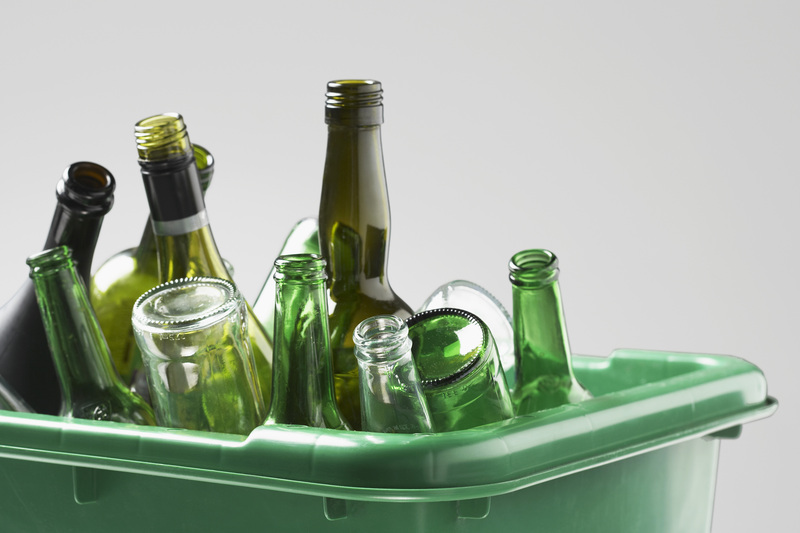
- Glass: Jars and bottles (usually clear, green, and brown).
Always check your local recycling guide for restrictions on materials such as pizza boxes, glass, or plastic bags!
Pro Tip #1: Proper Sorting--Your Recycling MVP
Why Sorting Matters
One of the most underestimated ways to make home recycling effective is by meticulous sorting. Improperly sorted recycling causes contamination--which can result in entire batches headed to landfill.
How to Sort for Success
- Separate by Material: Create clear, labeled bins for plastics, metals, paper, glass, and non-recyclables.
- Remove Lids and Caps: Lids are often made from different plastics and can jam recycling machinery.
- Avoid Food Contamination: Rinse jars, bottles, and food containers before recycling. Grease and food scraps ruin batches.
- Flatten Cardboard: This saves space in your bin and at the recycling center.
Remember: Not sorting properly can undermine even your best efforts. Treat sorting as your recycling MVP (Most Valuable Practice)!
Pro Tip #2: Eliminate "Wishcycling"
What is Wishcycling?
Wishcycling is the hopeful act of putting questionable items in your recycling bin, hoping they will be accepted. This common mistake causes enormous problems at sorting facilities, contaminating valuable recyclables and increasing costs.
How to Stop Wishcycling
- When in Doubt, Leave It Out: If you're unsure whether something is recyclable, it's safer to throw it away or research beforehand.
- Use Local Guidelines: Every municipality has different rules for recycling, so print out or bookmark your city's recycling chart for reference.
- Educate Your Household: Make it a family affair! Teach everyone in the home what can and can't be recycled.
Pro Tip #3: Upgrade Your Recycling Station
One of the best ways to revolutionize your home recycling routine is to set up a dedicated, easy-to-use recycling center right where waste is produced.
Designing Your Home Recycling Station
- Choose the Right Bins: Invest in bins that are sturdy, ventilated, and visually distinct for different materials.
- Label Everything: Clear and bold labels make it obvious which bin is for what material--this helps kids, guests, and busy adults stay compliant.
- Place It Conveniently: Situate your station near the kitchen, garage, or wherever you generate the most waste for easy access.
- Add a Compost Caddy: Support recycling by also separating organics for composting, reducing landfill waste further!
Pro Tip #4: Use Smart Technology and Apps
In today's digital age, technology can be a powerful ally in your home recycling routine.
Best Recycling Apps to Download
- iRecycle: This app helps you find local recycling locations and learn what can be recycled nearby.
- Recycle Coach: Customizes recycling guidelines by zip code, and reminders for pick-up days.
- MyWaste: Keeps schedules and guidelines for municipalities worldwide at your fingertips.
Using these tools takes the guesswork out of recycling and keeps you on track with the latest updates and regulations.
Pro Tip #5: Rethink and Reduce--Before You Recycle
The most effective recycling strategy actually starts before you recycle: reducing the amount of waste you generate in the first place! By making mindful purchases and minimizing single-use items, you'll have less to sort and process.
Strategies to Reduce Waste at Home
- Buy in Bulk: This minimizes packaging waste from single-serving items.
- Choose Reusable Products: Opt for cloth napkins, metal straws, and glass containers.
- Avoid Single-Use Plastics: Say no to plastic cutlery, straws, and bags whenever possible.
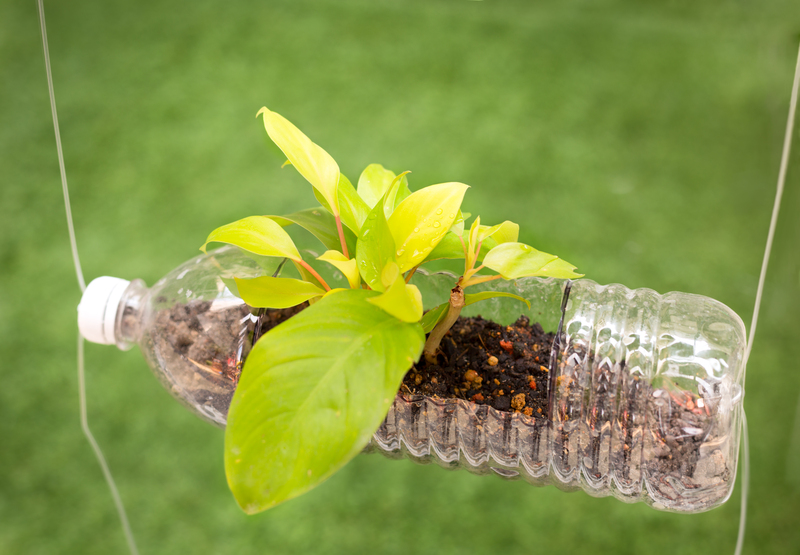
- Upcycle or Donate: Before recycling or throwing something away, see if it can be repurposed, fixed, or donated.
This "reduce first" philosophy is the foundation of the modern eco-friendly home.
Pro Tip #6: Compost Your Organic Waste
Organics--food scraps, coffee grounds, and yard waste--don't belong in recycling or in landfills. Composting turns your organic waste into nutrient-rich soil amendment for your garden or houseplants.
Getting Started with Home Composting
- Set Up a Bin: Purchase a compost bin or create your own from repurposed materials.
- Add Browns and Greens: Balance "browns" (leaves, cardboard, paper) with "greens" (kitchen scraps, grass)
- Avoid Meat and Dairy: These can attract pests in home compost heaps and slow decomposition.
- Turn Regularly: Aerate your compost every week or two for best results.
Compost can reduce your landfill contributions by up to 30%!
Pro Tip #7: Master the Art of E-Waste Recycling
Electronics are a growing source of waste--containing toxic heavy metals and valuable resources. Never dispose of electronics in your regular recycling or trash!
Safely Recycle Electronics at Home
- Locate E-Waste Events: Many cities and electronics retailers host drop-off days several times a year.
- Data Security: Always wipe your devices of personal data before recycling.
- Responsible Retailers: Some companies will take back electronic devices for proper recycling (Best Buy, Staples, etc.).
Revolutionize your home recycling system by carving out a special area for e-waste until disposal time!
Pro Tip #8: Educate, Involve, and Inspire Your Family
Recycling, to be effective, should not be a solo hobby. Get everyone on board for greater impact!
Fun Ways to Get the Household Involved
- Have a Recycling Contest: Track who sorts waste most accurately or comes up with creative upcycling ideas.
- Crafts with Recyclables: Use clean scrap materials for children's crafts or DIY home projects.
- Reward Good Habits: Celebrate milestones or "zero landfill" days as a family event.
Tip: The best way to ensure recycling consistency is to make it second nature for everyone in your household.
Pro Tip #9: Stay Connected with Community Recycling Initiatives
Local resources are an excellent way to go beyond the home and engage with the broader circular economy.
Leverage Community Programs
- Sign Up for Text or Email Alerts: Many municipalities send recycling reminders and program updates directly to your phone or inbox.
- Attend Local Workshops: Learn advanced recycling, composting, and upcycling techniques from local sustainability experts.
- Participate in Clean-Up Events: Join neighborhood clean-ups or recycling drives for extra motivation and community spirit.
Pro Tip #10: Track Your Progress & Celebrate Success
Keep your recycling journey inspired by regularly tracking your household's performance and sharing achievements.
Easy Ways to Monitor Your Efforts
- Weigh Your Waste: Use a basic scale to measure trash output before and after adopting new recycling habits.
- Visual Progress Charts: Chart how much less you're throwing away and how your recycling/reuse bins fill up over time.
- Share Your Story: Share progress on social media or within your community for extra encouragement and accountability.
Common Home Recycling Myths--Busted!
- "Everything with a triangle is recyclable." Not true--those numbers only indicate resin type, not recyclability in your area.
- "You don't need to rinse recyclables." Rinsing removes food residue and prevents contamination!
- "Plastic bags go in with recycling." Never place bags in curbside bins; take them to grocery-store collection programs instead.
Final Thoughts: Turn Your Home into a Recycling Powerhouse
By striving for consistency, making use of technology, mastering sorting, and involving everyone at home, you can truly revolutionize your home's recycling practices. Remember, every bit of effort counts. Your actions will not only contribute to a cleaner planet but also inspire friends, neighbors, and future generations.
Start today and witness the transformation from "just recycling" to a proactive, eco-friendly lifestyle! For more tips, check out your city's recycling resources or download a recycling app to stay ahead of the curve.
Revolutionizing Home Recycling: Key Takeaways
- Sort and clean your recyclables properly.
- Use technology and stay up to date with your local rules.
- Reduce waste at the source whenever possible.
- Compost organics and recycle electronics responsibly.
- Engage your family and community for lasting impact!
Now's the time to take recycling at home to the next level--implement these pro tips and make your home an example for sustainable living!