Hidden charges in Ruislip rubbish removal what to avoid
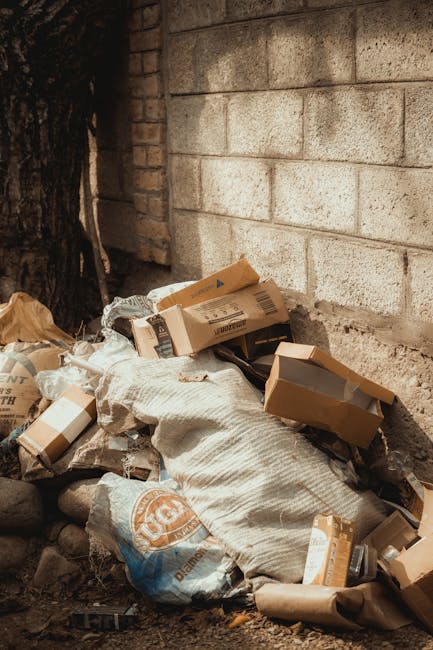
If you have ever asked for a rubbish removal quote and then seen the final bill climb for no obvious reason, you are not alone. Hidden charges in Ruislip rubbish removal what to avoid is a topic that matters because the cheapest quote on paper is not always the cheapest job in real life. Sometimes the extras are obvious only after the van arrives, the team starts loading, and the clock is already ticking. A bit frustrating? Absolutely. But avoidable, most of the time.
This guide breaks down the common tricks, the less dramatic but still annoying add-ons, and the questions that help you spot them before they cost you money. We will keep it practical, local, and plain-English. No fluff. Just the things that save you a headache.
One quick note: a good waste company should be transparent about pricing, access, labour, weight, disposal, and anything that might change the quote. If that sounds basic, well, it should be. Yet that is exactly where people get caught out.
Why Hidden charges in Ruislip rubbish removal what to avoid Matters
Hidden charges are not just a budgeting nuisance. They can change how you choose a service, how quickly a clearance gets done, and whether the job feels fair once it is complete. In Ruislip, where people often arrange removals around tight driveways, parking restrictions, flats, or busy family schedules, even a small unexpected fee can turn a tidy arrangement into a stressful one.
Truth be told, a lot of people only look at the headline price. Fair enough. It is the bit that jumps out in a quote. But the real cost often depends on details such as access, lifting, sorting, waste type, disposal route, and whether the team can complete the load in one visit. If those details are not clear, the final figure can drift upwards quickly.
There is also a trust issue. A transparent company makes planning easier. You know what to expect, when the team will arrive, and what happens if the load is larger than expected. That is especially helpful for bigger jobs like house clearance, loft clearance, or clearing a cluttered garage clearance where nobody can quite remember what is under the boxes.
For a customer, the difference between a fair quote and a padded one is often just a few careful questions. Not glamorous, but effective.
How Hidden charges in Ruislip rubbish removal what to avoid Works
Most rubbish removal pricing is built from a few moving parts: the amount of waste, the type of waste, labour time, access difficulty, transport, and disposal costs. Hidden charges usually appear when one of those parts is not explained clearly enough before the job starts.
Here are the most common ways it happens:
- "From" pricing with no clear upper limit. The quote sounds attractive, but it only applies to a very narrow amount of waste.
- Extra fees for access. Carrying bags down stairs, through narrow hallways, or across a long distance from the property to the vehicle may trigger a surcharge.
- Weight surprises. Heavy items such as rubble, soil, plasterboard, appliances, or mixed builders' waste can cost more than light household clutter.
- Sorting or loading fees. If the company has to separate mixed materials on site, that extra labour may be charged.
- Minimum load charges. Small jobs sometimes come with a minimum price, even if the van is only partly filled.
- Waste type changes. Furniture, mattresses, electricals, garden waste, and builders' waste are not always priced the same way.
To put it simply, the quote is only honest if the company tells you what assumptions it is based on. That is the bit to watch.
In a typical Ruislip setting, the hidden fee might come from a parking issue near a terraced street, a third-floor flat with no lift, or a garden access route that looked fine in photos but turned out to be awkward in person. Small things, but they matter.
Key Benefits and Practical Advantages
Knowing what to avoid does more than protect your wallet. It improves the whole experience.
- Better budgeting: You can compare quotes like-for-like instead of guessing which one is fair.
- Less stress on the day: Nobody likes a last-minute pricing conversation while the van is already outside.
- Fewer disputes: Clear expectations reduce the chance of arguments over access, weight, or "extra work".
- Faster decision-making: Once you know the common traps, choosing a provider becomes much easier.
- Better planning for bigger clearances: Jobs like home clearance or furniture disposal often need a bit of preparation, and clear pricing helps with that.
There is another benefit people sometimes miss: transparency usually signals professionalism. A company that is careful with pricing is often careful with loading, sorting, and customer communication too. Not always, but often enough to matter.
Expert summary: The safest quote is not the one with the lowest headline price. It is the one that explains what is included, what might change, and how any change will be approved before work continues.
Who This Is For and When It Makes Sense
This advice is useful for almost anyone arranging waste removal in Ruislip, but it is especially relevant if your job has more moving parts than a simple bin bag collection.
- Homeowners clearing old furniture, loft clutter, or household rubbish
- Landlords dealing with leave-behind waste after tenants move out
- Flat owners who need help with stairs, lifts, and tight access
- Tradespeople booking builders waste clearance after a renovation or repair
- Businesses arranging business waste removal or office clearance
- People tackling big jobs such as loft clearance or garage clearance
If your waste is mixed, bulky, heavy, or hard to reach, the risk of hidden charges goes up. That is just how it is. The more variables there are, the more important it becomes to pin down the price in writing or, at the very least, in a clear message thread.
And if you are moving house, sorting an inheritance property, or clearing years of accumulated stuff after a big life change, you may not have the energy to negotiate on the doorstep. In those moments, a tidy, transparent quote matters even more.
Step-by-Step Guidance
If you want to avoid hidden charges, use a simple process. It does not need to be complicated.
- Describe the job properly. List what needs removing, where it is, and whether any items are heavy, awkward, or already bagged up.
- Share honest access details. Mention stairs, lifts, parking, long walks from the property, narrow gates, and any loading restrictions.
- Ask what is included. Confirm labour, loading, disposal, transport, VAT if applicable, and any minimum charge.
- Ask what could increase the price. A decent provider will explain the common triggers before they happen.
- Request a clear estimate. Ideally, get the quote by message or email so you can review it calmly later.
- Check item categories. Ask whether mattresses, fridges, rubble, garden waste, or electrical items are priced differently.
- Confirm the arrival process. You want to know whether the team will reassess on arrival and who approves any extra charge.
- Keep records. Save the quote, photos, and any agreed notes. Old-fashioned maybe, but it helps.
A practical example: if you are clearing a dining set, a sofa, and a few boxes, the quote should say whether the price assumes ground-floor access and simple loading. If the sofa has to be carried down two flights of stairs through a tight hallway, that is where the conversation should happen before the van turns up. Simple. Clear. No drama.
Expert Tips for Better Results
Here are the habits that tend to save money and reduce stress.
- Take photos in daylight. Dark hallway pictures do nobody any favours. A quick morning photo can show volume, access, and item types far better than a long description.
- Be specific about waste type. "Rubbish" is too broad. Mixed household waste, green waste, and builders' debris are not the same thing.
- Separate what you can safely separate. If reusable furniture, general waste, and heavy rubble are mixed together, pricing can become more complicated.
- Ask about parking before the job. In some streets, parking can be the hidden cost no one mentioned first.
- Check whether quotes are based on volume or time. Either model can be fine, but you need to know which one applies.
- Look at the wording carefully. "Subject to site inspection" is fair enough, but "prices may change" without explanation is vague.
One small but useful habit: ask, "What would cause the price to change on the day?" That single question often reveals more than five minutes of brochure reading. Why guess when you can ask directly?
If you are arranging a more sensitive clearance, such as an flat clearance after a difficult tenancy or an emotional family clear-out, clarity matters twice over. The last thing you need is a surprise charge on top of an already tiring job.
Common Mistakes to Avoid
Most people who get caught out do not make one huge mistake. They make a few small ones that stack up.
- Choosing on price alone. The lowest quote is often the least detailed one.
- Assuming all waste is priced the same. It rarely is.
- Forgetting about access. Stairs, parking, and distance from the door can affect the quote.
- Not checking what is excluded. Some items may need special handling.
- Letting the job start without confirming the final basis of charge. That is when misunderstandings get expensive.
- Failing to distinguish rubbish removal from furniture clearance or disposal. A provider may treat those differently depending on the item and the recovery route.
Another common one: people hear a price and think it is fixed, even though it was based on a rough description and no photos. To be fair, that happens because everyone is busy. But if you can spare two minutes to send better details, you usually save far more time later.
Tools, Resources and Recommendations
You do not need fancy software to avoid hidden charges. A few simple tools are enough.
- Your phone camera: Good photos of the waste, the access route, and the parking area can make quotes more accurate.
- Notes app or email: Keep a written record of what was agreed.
- Basic measurements: Approximate room size, item sizes, or bag counts can help the provider estimate volume.
- A quick checklist: Write down the items, the access details, and anything fragile or heavy.
If you are planning a bigger clear-out, it can also help to think in categories: furniture, general household waste, garden waste, and building debris. That makes it easier to discuss the right service. For example, a combined job may need a general waste removal solution, while a garden-heavy job may be better framed as garden clearance.
When you are comparing providers, ask for a clear explanation of payment terms and billing timing. A transparent payment and security page, or a straightforward payment explanation, is usually a good sign that the business takes money matters seriously. Same goes for recycling expectations and how waste is processed; a clear recycling and sustainability approach tends to indicate proper handling, not just rushed loading.
Law, Compliance, Standards, or Best Practice
Rubbish removal in the UK sits inside a wider framework of waste handling, duty of care, safe transport, and responsible disposal. You do not need to become a compliance expert to book a clearance, but you should expect the company to operate carefully and lawfully.
Best practice generally means:
- providing accurate waste descriptions
- pricing transparently
- handling waste safely and responsibly
- being clear about what can and cannot be collected
- explaining any change in scope before charging extra
If a provider is vague about disposal, insurance, or safety, that is a warning sign. A trustworthy team should be able to explain how they manage access, lifting, and loading without making you feel awkward for asking. You are not being difficult; you are being sensible.
It is also reasonable to ask whether the company has clear policies on health and safety, insurance, and complaints. Those pages are not there for decoration. They show how the business handles real-world issues when something does not go perfectly, which, let's face it, happens sometimes.
For businesses, the standard is even higher because waste can include confidential materials, trade waste, or items from a workplace clearance. In those cases, checking the provider's approach to insurance and safety and complaints procedure is just plain sensible.
Options, Methods, or Comparison Table
Different pricing styles suit different jobs. Here is a simple comparison of the most common approaches you may come across.
| Pricing method | How it works | Common risk | Best for |
|---|---|---|---|
| Fixed quote | Price is agreed in advance based on clear details | Can change if the description was incomplete | Jobs with good photos and clear access |
| Volume-based pricing | Cost depends on how much space the waste takes in the vehicle | Unexpected uplift if waste is bulkier than expected | General household and mixed waste |
| Time-based pricing | Cost depends on how long the team is on site | Slow loading or access issues can increase cost | More complex or labour-heavy jobs |
| Load-and-go with minimum charge | Small jobs pay a minimum fee regardless of actual volume | Can feel expensive for tiny clearances | Single-item or low-volume removals |
For bulky household goods, a dedicated service like furniture clearance can sometimes be clearer than a vague all-purpose quote. If you are removing office items, an office clearance service may be more appropriate, especially when there are desks, chairs, filing units, and access logistics to think about.
The main point is this: compare like with like. A cheap-looking price that excludes labour or access is not a bargain. It is just a smaller number. There is a difference.
Case Study or Real-World Example
Imagine a small household clearance in Ruislip on a damp Tuesday morning. The job includes a sofa, a wardrobe, several black bags, and an old treadmill. The first quote arrives quickly and looks attractive. But the quote does not mention that the property is on the second floor, parking is limited, and the treadmill is unusually heavy.
On arrival, the team realises the sofa needs to be carried down a narrow staircase and the vehicle has to be parked further away than expected. Suddenly there is a "difficulty access" fee. The customer is irritated because they assumed stairs were included. The company says the original quote was based on ground-floor access and standard loading. Both sides feel a bit annoyed, and nobody wins much from that.
Now compare that with a better approach. The customer sends photos, mentions the stairs, and confirms parking limitations upfront. The provider gives a clearer quote with the access conditions stated plainly. The job still costs what it costs, but there is no surprise, no awkward back-and-forth, and the day feels calmer. A bit boring maybe, but in a good way.
That is really the whole point of avoiding hidden charges: not perfection, just fewer unpleasant surprises.
Practical Checklist
Use this checklist before you book:
- Have I described everything that needs removing?
- Have I sent clear photos or a full description?
- Have I mentioned stairs, lifts, parking, gates, or long walking distances?
- Do I know whether the quote includes labour, loading, disposal, and transport?
- Have I asked what could increase the price on the day?
- Do I understand whether the quote is fixed, estimated, or based on volume?
- Have I checked for minimum charges?
- Do I know if different waste types are priced differently?
- Have I kept a written record of the quote and any promises made?
- Do I feel comfortable with the provider's answers?
If you can tick most of those boxes, you are already ahead of many people. Honestly, that little bit of prep can make the whole process feel much smoother.
Conclusion
Hidden charges in Ruislip rubbish removal what to avoid comes down to one simple idea: clarity beats assumptions every time. The more openly a company explains its pricing, the easier it is to trust the quote, plan the job, and avoid a frustrating surprise when the invoice arrives.
Whether you are clearing a single bulky item, dealing with a full house, or booking a more specialist service, the same rules apply. Describe the job properly. Ask what is included. Confirm what might change the cost. Keep the conversation written down where you can. Small effort, big difference.
And if the quote still feels fuzzy after you ask reasonable questions, that is useful information too. Sometimes the safest decision is simply to walk away and choose a provider that respects your time.
Get a free quote today and see how much you can save.
Clear pricing is one of those quiet things that makes a stressful day feel manageable. That matters more than people think.
Frequently Asked Questions
What are the most common hidden charges in rubbish removal?
The most common ones are extra fees for access, heavy items, stairs, long carries, mixed waste, minimum charges, and disposal costs that were not clearly explained in the original quote.
How can I tell if a rubbish removal quote is genuine?
A genuine quote usually explains what is included, what assumptions were made, and what could change the price. If it is vague or unusually cheap without details, be careful.
Do all rubbish removal companies in Ruislip charge the same way?
No, pricing models vary. Some use fixed quotes, some charge by volume, and others base the price on time or load size. That is why comparisons need a close read.
Are stairs and parking usually extra?
Sometimes yes, sometimes no. It depends on the company and how the quote was built. Always ask whether access issues are included before you book.
Should I send photos before getting a quote?
Yes, photos are one of the easiest ways to get a more accurate price. They help show the waste volume, item type, and access conditions.
Is a fixed quote always better than an estimate?
Not always. A fixed quote is reassuring, but only if it is based on accurate information. A good estimate can still be useful if the provider explains exactly what might change.
What should I ask before agreeing to a rubbish removal price?
Ask what is included, whether there is a minimum charge, if heavy or awkward items cost more, and what conditions could change the final bill.
Can builders' waste cost more than household rubbish?
Yes, builders' waste often includes heavy or dense materials such as rubble, soil, plasterboard, and mixed debris, which can affect pricing and disposal requirements.
How do I avoid being overcharged on the day?
Give a full description, send photos, confirm access, ask about extra charges in advance, and keep the quote in writing. If anything changes on the day, ask for approval before work continues.
What if the company adds a fee I never agreed to?
Ask for a clear explanation and refer back to the original quote or message thread. If you are still unhappy, check the provider's complaints process and raise the issue calmly but promptly.
Do I need to worry about recycling or disposal standards?
Yes, it is sensible to choose a provider that explains how waste is handled. Proper disposal, sorting, and recycling are signs of a responsible service, not just a quick collection.
When does it make sense to book a specialist clearance instead of general rubbish removal?
If your job is mainly furniture, garden waste, office items, or builders' debris, a more specific service can often give clearer pricing and a better fit for the type of waste.